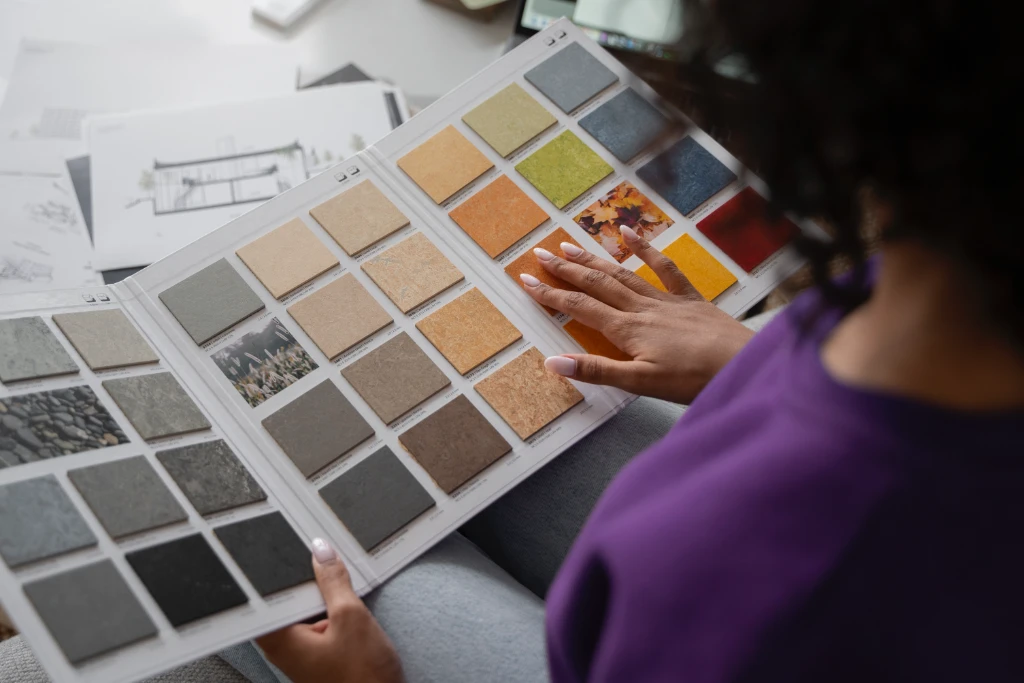
A residential studio in Austin posts finished projects to Instagram twice a week and maintains a polished Houzz profile. Referrals stay strong. Yet when a homeowner searches "interior designer near me" or "kitchen designer South Congress," a competitor with a thinner portfolio but a complete Google Business Profile and city-named project pages captures the discovery call. The studio did not lose on taste. It lost on local entity signals Google uses to decide who belongs in the map pack and local organic results.
Local SEO for interior designers is not the same as social reach or marketplace visibility. It means showing up when someone with hire intent searches your service in your market, and converting that visibility into a qualified consultation on your owned site. Houzz and Instagram can support awareness, but they do not replace a verified Business Profile, accurate categories, and geography on the website you control.
This playbook is for principals and marketing leads at residential and light-commercial interior design firms in the United States. If referrals carry the business today but Google consults feel random, run these four phases in order before you buy more ads or publish another inspiration post.
What local SEO for interior designers actually means (and what to ignore)
Google says local results are mainly based on relevance, distance, and prominence. Relevance is how well your profile and site match the search. Distance is how close you are to the searcher. Prominence reflects how well-known and trusted you appear, including reviews, links, and overall web presence.
For design firms, that framing cuts through vague "SEO" talk. You are not trying to rank for abstract design inspiration. You are trying to match queries like "interior designer [neighborhood]," "whole home design [city]," or "kitchen designer near me" with proof you actually work there.
Three patterns waste months of effort:
- Marketplace dependence: treating Houzz or Instagram as the primary discovery channel while Google Business Profile stays half-finished.
- Gallery-only websites: beautiful project photos with no city, neighborhood, or service line in titles, URLs, or body copy.
- Wrong GBP categories: labels that sound broad but do not match how homeowners search, or categories that do not align with predefined services in the profile.
Houzz skews toward inspiration browsing. Google local and organic results skew toward hire intent. The channels can complement each other, but a strong Houzz profile does not automatically make you visible in Maps for non-branded local queries.
Ignore generic retail-store advice if you operate as a service area business meeting clients in their homes. Showrooms can use a storefront address; hybrid studios should decide whether the public address matches where clients actually engage you. Mixed signals confuse both Google and homeowners.
Ignore national content campaigns until Phases 1–3 are solid. For a broader Maps checklist, see our Google Maps SEO guide for local businesses. This article goes deeper on design-studio specifics.
Phase 1: Fix your Google Business Profile before touching the website
Google states that businesses with complete and accurate Business Profile information are more likely to show up for relevant local searches. For studios that consult on-site, service-area settings matter: you can define the cities and regions you actually serve without relying on foot-traffic assumptions from retail businesses.
Wrong primary Business Profile category is not a minor detail; it suppresses map-pack visibility. Fill predefined services with the language clients actually search—not marketing slogans—so Google can match your listing to hire-intent queries.
Step 1.1: Choose the primary category that matches how clients search
Pick the single category closest to your core offer, typically Interior designer or Interior design studio, not an overly broad label that dilutes relevance. Add additional categories only where you truly deliver that work (for example, commercial interior design if you actively sell it).
Step 1.2: Fill predefined services with real studio lines
List services you sell: whole-home interior design, kitchen design, bathroom design, furnishing and styling, commercial interiors if applicable. Use the same language clients use, not internal studio jargon. You will mirror these phrases on your website in Phase 2.
Step 1.3: Set service areas, hours, photos, and booking paths
List specific cities or neighborhoods you serve, not a huge radius that includes markets you never accept. Set hours that reflect when you actually respond to inquiries; many consults happen outside standard retail hours, but an empty or wrong hours field hurts trust.
Add photos of completed projects (with client permission), team at work, and your process, not stock interiors. If you offer discovery calls, add an appointment link and keep it current.
Our Google Business Profile optimization guide walks through completeness checks that apply before you invest in site rewrites.
Phase 1 diagnostic checkpoint
On your phone, search your primary service + city in an incognito window:
- Does your profile show the right category and services?
- Are service areas specific to where you actually consult?
- Are hours accurate today?
- Is the profile verified?
If any answer is no, do not move to Phase 2.
Phase 2: Align your owned site with local geography
Your Business Profile should link to a landing page that reinforces the same entities: service line, city, and consultation path. Project pages with city and style in titles and body copy create local organic entry points beyond people who already know your firm name.
Step 2.1: Put geography on project and service pages, not only in the footer
Each showcase project deserves a dedicated URL and title that a human would recognize, "Contemporary Whole Home, Hyde Park, Austin," not "Project 14." Mention neighborhood or city naturally in the project narrative, alt text, and headings. One primary geographic focus per page is enough; do not keyword-stuff every paragraph.
If you offer distinct lines (whole home, kitchen, furnishing-only), ensure at least one page per line mentions where you work and links to relevant portfolio examples. A homeowner comparing two Austin studios for a primary-bath remodel should land on a page that shows comparable work and states you serve their part of the city, not a single undifferentiated gallery where geography is invisible.
Structured data helps when it reflects real pages: LocalBusiness or ProfessionalService markup on your contact page is reasonable; do not paste city names into schema that your visible content does not support.
Step 2.2: Match titles and headings to local intent
Your homepage or GBP landing page title should not be only your brand name. A pattern like "Interior Design Studio in [Primary City] | [Studio Name]" signals relevance for local organic results. Headings on service pages should echo predefined GBP services.
Step 2.3: Pass the mobile consultation test
Open your site on your phone. Can a homeowner book or request a discovery call in one or two taps? Does the main portfolio load without layout problems? Local SEO sends traffic; your site still has to convert it.
The local proof component of our interior designer website design framework (CONVERT-7) covers how principals score geography and consultation capture before approving website budget, use it alongside this phase.
Phase 2 diagnostic checkpoint
- GBP links to the correct landing page.
- At least one project or service page targets a primary city + service line naturally.
- Consultation or contact path works on mobile.
- Geography appears in body copy or titles, not footer only.
Phase 3: Reviews and prominence signals
Google lists prominence as a local ranking factor. Reviews are a visible part of prominence: more reviews and positive ratings can improve how your business appears locally, especially when they arrive steadily and you respond to them.
Step 3.1: Build a steady review request habit
Ask after successful installs or final walkthroughs, not in artificial bursts. Make the review link easy in your project-close email. Clients often mention project type ("whole-home redesign," "kitchen refresh") in their own words, that language reinforces relevance.
Step 3.2: Respond to every review
Thank positive reviewers with specifics when appropriate. Address negatives professionally and move detailed disputes offline.
Step 3.3: Do not buy fake reviews
Fake review reports are suspension risks. Short-term gains are not worth losing the profile that drives map visibility.
Phase 3 diagnostic checkpoint
- New reviews in the last 30–60 days?
- Average rating stable or improving?
- Owner responses visible on recent reviews?
Phase 4: Track consultations, not dashboard vanity metrics
Local SEO succeeds when relevance, distance, and prominence work together for searches you care about. Track metrics tied to revenue conversations:
- Calls and booking clicks from Business Profile insights
- Discovery search terms that show your listing (which queries surface your studio)
- Consultation form submissions from local landing and project pages
- Branded vs non-branded visibility, are you appearing for service + city, or only your studio name?
Organic local SEO typically needs 60–90 days of consistent execution before you judge map-pack movement in competitive markets; smaller markets may move faster. Paid ads can fill gaps while Phases 1–3 compound, they do not fix a thin or miscategorized profile.
If you want help executing the sequence, our local SEO and AEO services focus on map visibility and consult paths for service businesses, not blog volume for its own sake.
Common failure points when design firms DIY local SEO
Wrong primary category. Experts score incorrect primary category as a top negative factor. Fix category and services before you buy citation packages or publish trend posts.
Keyword-stuffed business names. Adding "Best Interior Designer Chicago" to your legal name violates guidelines and risks suspension.
Houzz-only strategy. Marketplace profiles can generate leads, but they do not replace GBP entity depth for Maps visibility on Google.
Blog before GBP. Publishing "2026 color trends" while categories, service areas, and hours are wrong sends mixed signals. Complete Phase 1 first.
Gallery with zero geography. A portfolio that looks award-worthy but never names a city is invisible for local hire-intent searches.
Radius-only service areas. List cities and neighborhoods you serve, not a 50-mile circle that dilutes relevance for your best markets.
The outcome you should have after four phases
You will know local SEO for interior designers is working when:
- Your Business Profile appears for service-intent searches in target cities, not only branded queries.
- Project and service pages align with GBP categories and named markets.
- Reviews arrive steadily and you respond to them.
- Consultation requests from search trend up in Profile insights and on your site.
Local SEO for interior designers is not a one-time website redesign. It is an ordered sequence, profile, owned-site geography, reviews, tracking, that matches how Google evaluates relevance, distance, and prominence for consultation-based studios. Pair this playbook with a conversion-ready site using interior designer website design requirements so local visibility books qualified projects, not just traffic.