CMS builds your team can actually run
We pick the right content management system for your business — then structure templates, global styles, and editor workflows so service pages, blogs, and offers stay on-brand without touching code.
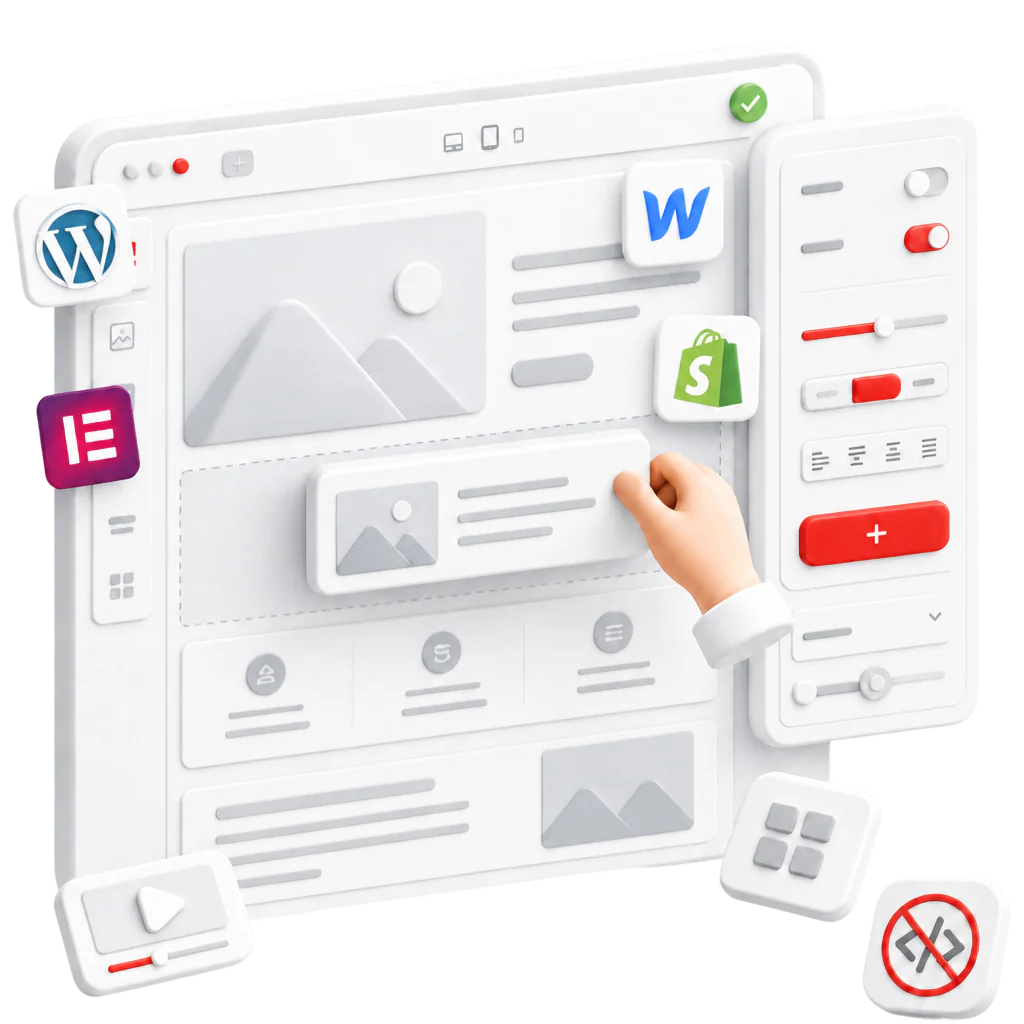




CMS development — not just another WordPress theme
A CMS should let your office update seasonal offers, add service areas, and publish blog posts without breaking layout. Most local businesses are stuck on brittle themes, page-builder chaos, or sites only one freelancer understands — so small copy changes wait weeks or never happen.
Icebreaker builds content systems around how your team actually works: reusable sections, locked structure, global typography and colors, and clear templates for service pages and landing pages. We match the platform to the job — custom WordPress, Elementor Pro, Webflow CMS, or Shopify when product content and storefront should live together.
Performance and SEO are part of every CMS build — clean URLs, mobile layouts, schema basics, and fast load times so Google and homeowners both get what they need. Most projects launch in 2–3 weeks after kickoff and content collection.
CMS problems we fix every week
Four issues that keep local service businesses dependent on developers for every small website change.
No one can edit the site
Layouts are hard-coded or built without reusable components — so your office manager is afraid to touch anything.
Slow, plugin-heavy WordPress
Bloated themes and duplicate plugins hurt load times and security. Homeowners bounce before they call.
Inconsistent design sitewide
Every page looks different because there is no global style system — buttons, fonts, and spacing drift over time.
Wrong CMS for the job
Teams outgrow page builders or pick Shopify when they needed WordPress — or vice versa. We scope platform fit before build starts.
CMS we work with
WordPress, Webflow, Shopify, and Lovable — four platforms we build on most for local service businesses and growing brands.
WordPress
Custom WordPress and Elementor builds for service businesses — structured templates, legacy migrations, and SEO-ready pages your team can update without breaking layout.
Learn more →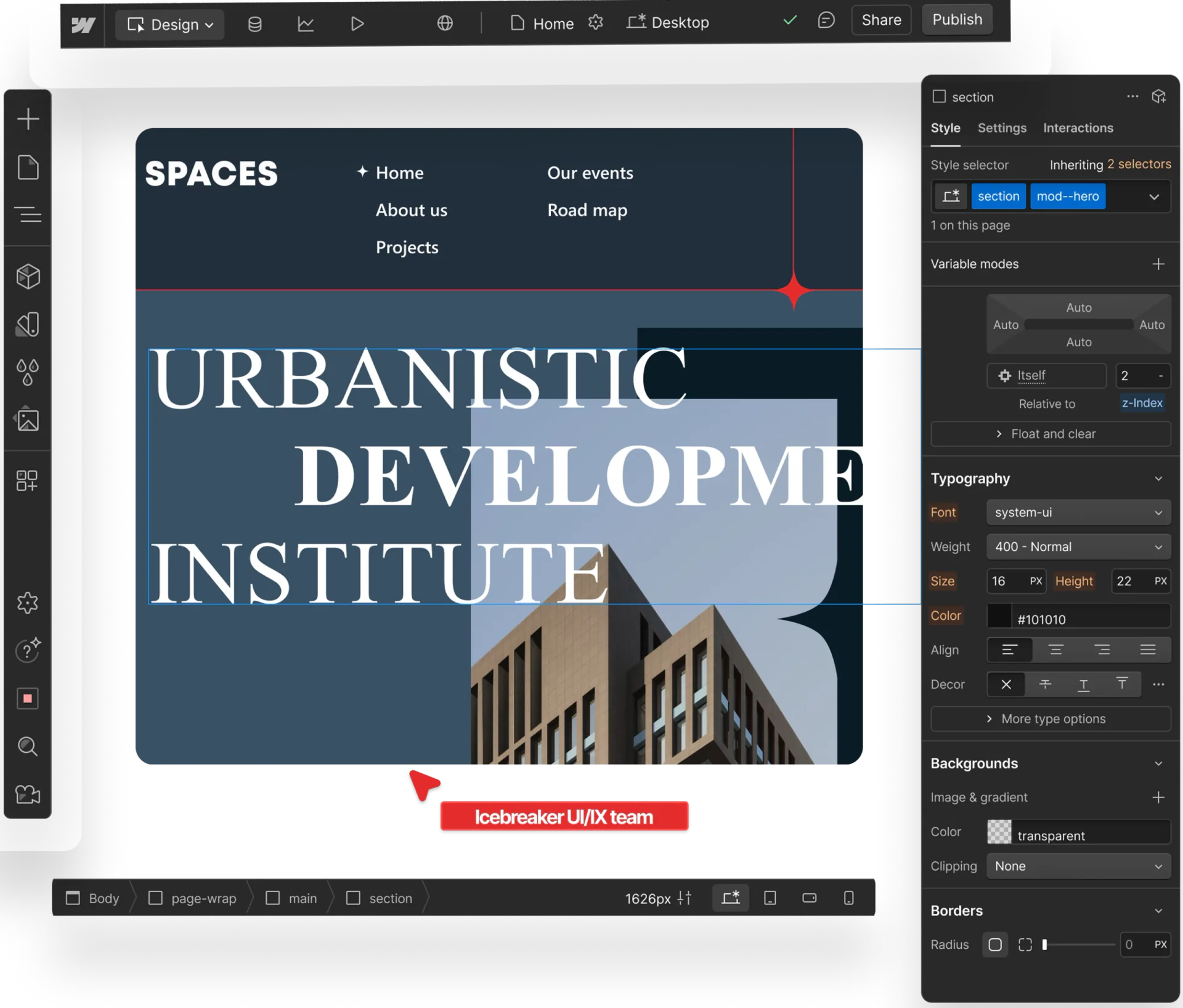
Webflow
Design-first Webflow CMS sites with structured collections, campaign landing pages, and fast publishing — when marketing needs clean builds without plugin bloat or a dev queue for every update.
Learn more →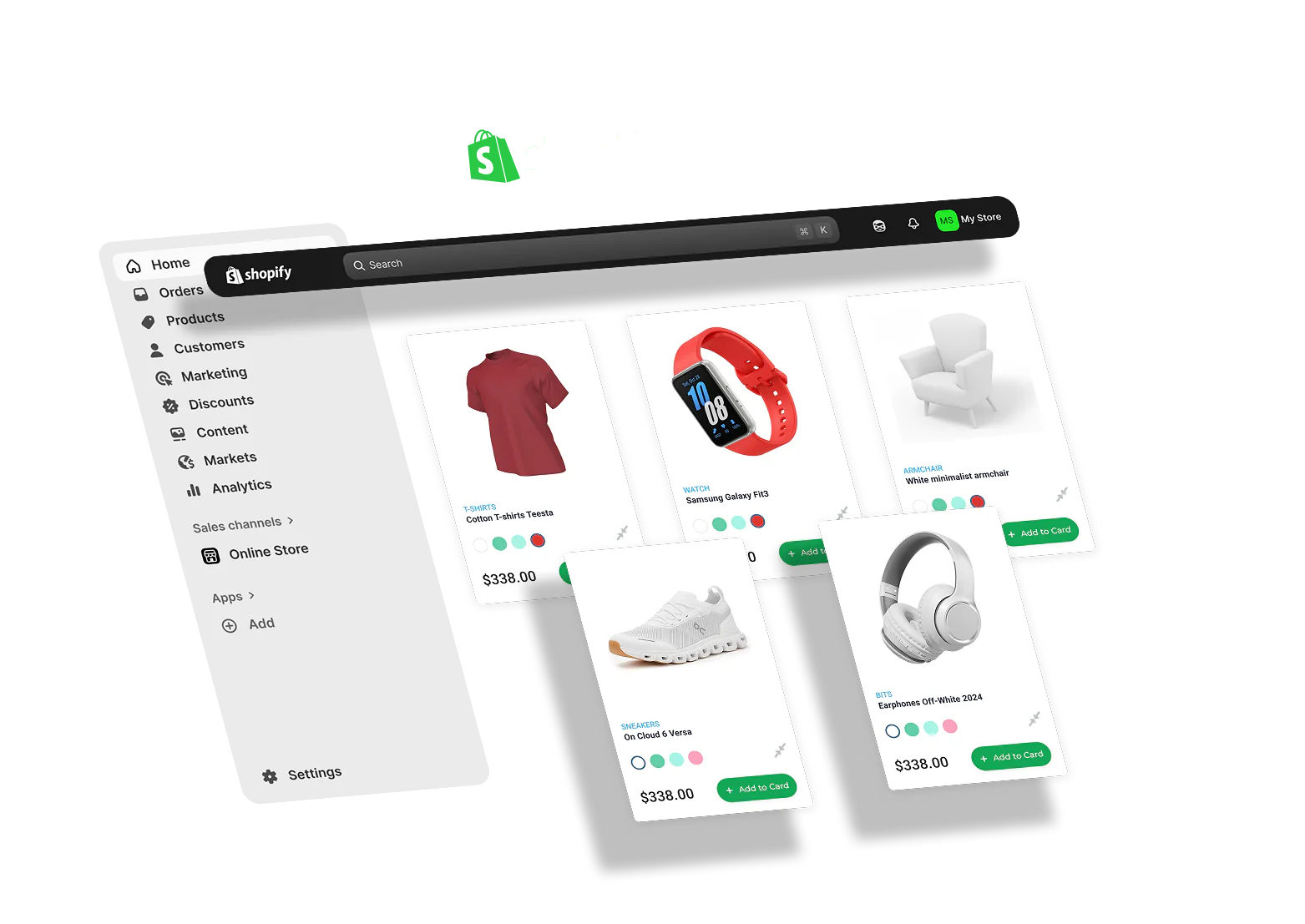
Shopify
Shopify storefront and content systems — theme customization, product catalogs, checkout and shipping setup, plus launch analytics on add-to-cart and purchase events.
Learn more →
Lovable
Lovable-powered builds on your account — marketing sites, landing pages, and MVP interfaces in weeks. You keep the project and subscription; we scale to full-stack when the workflow sticks.
Learn more →Figma to platform
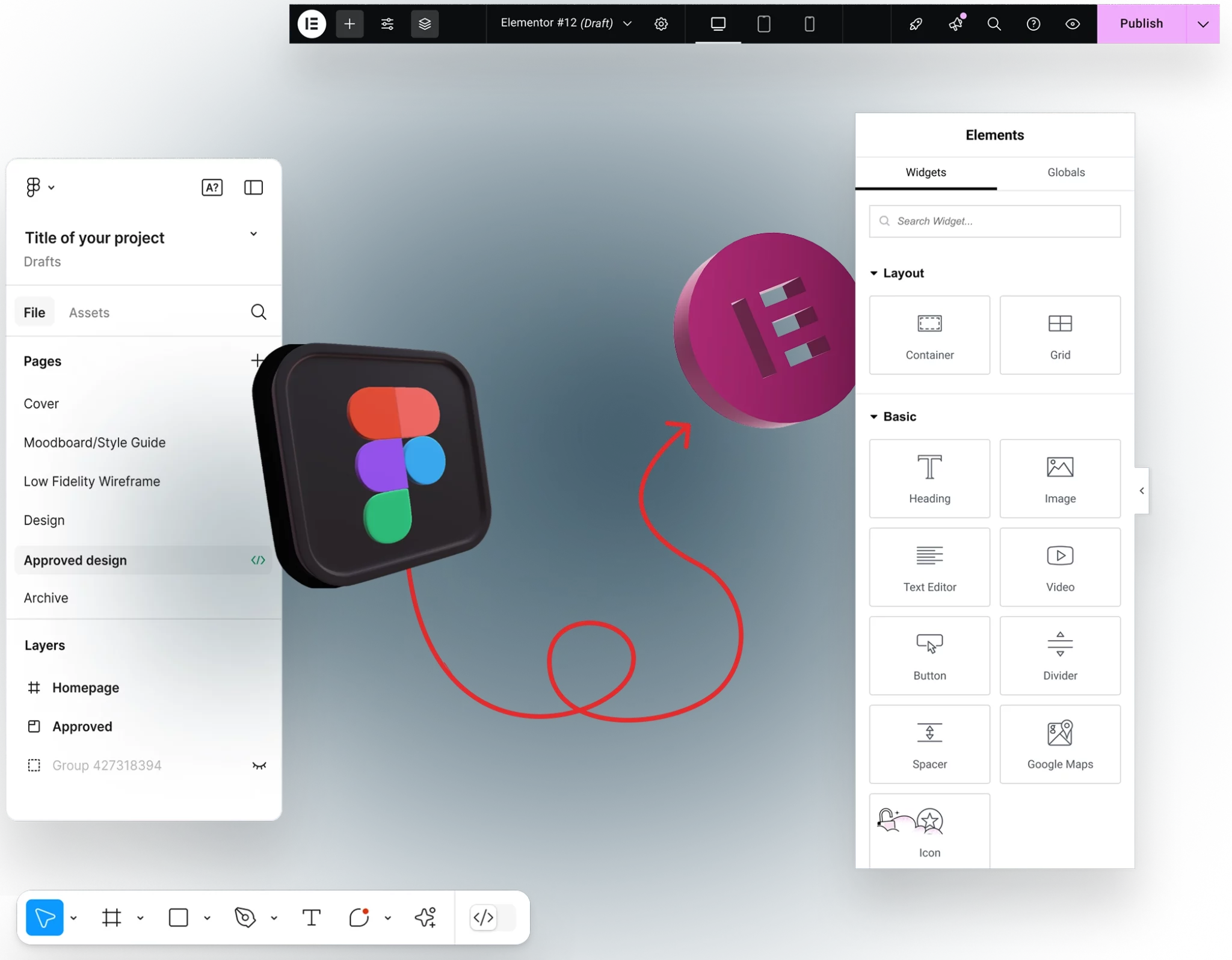
Already have Figma designs approved and need them built? We convert your files to Webflow, WordPress, Elementor, Shopify, or Lovable — pixel-accurate handoff, editor-ready delivery.
Figma to Webflow
CMS-ready Webflow builds from approved designs.
Figma to WordPress
Structured WordPress handoff with globals and templates.
Figma to Elementor
Elementor Pro conversion for agency partners.
Figma to Shopify
Section-based Shopify themes from Figma.
Figma to Lovable
MVP and product UI from Figma, built on your Lovable account.
Recent
Case Studies
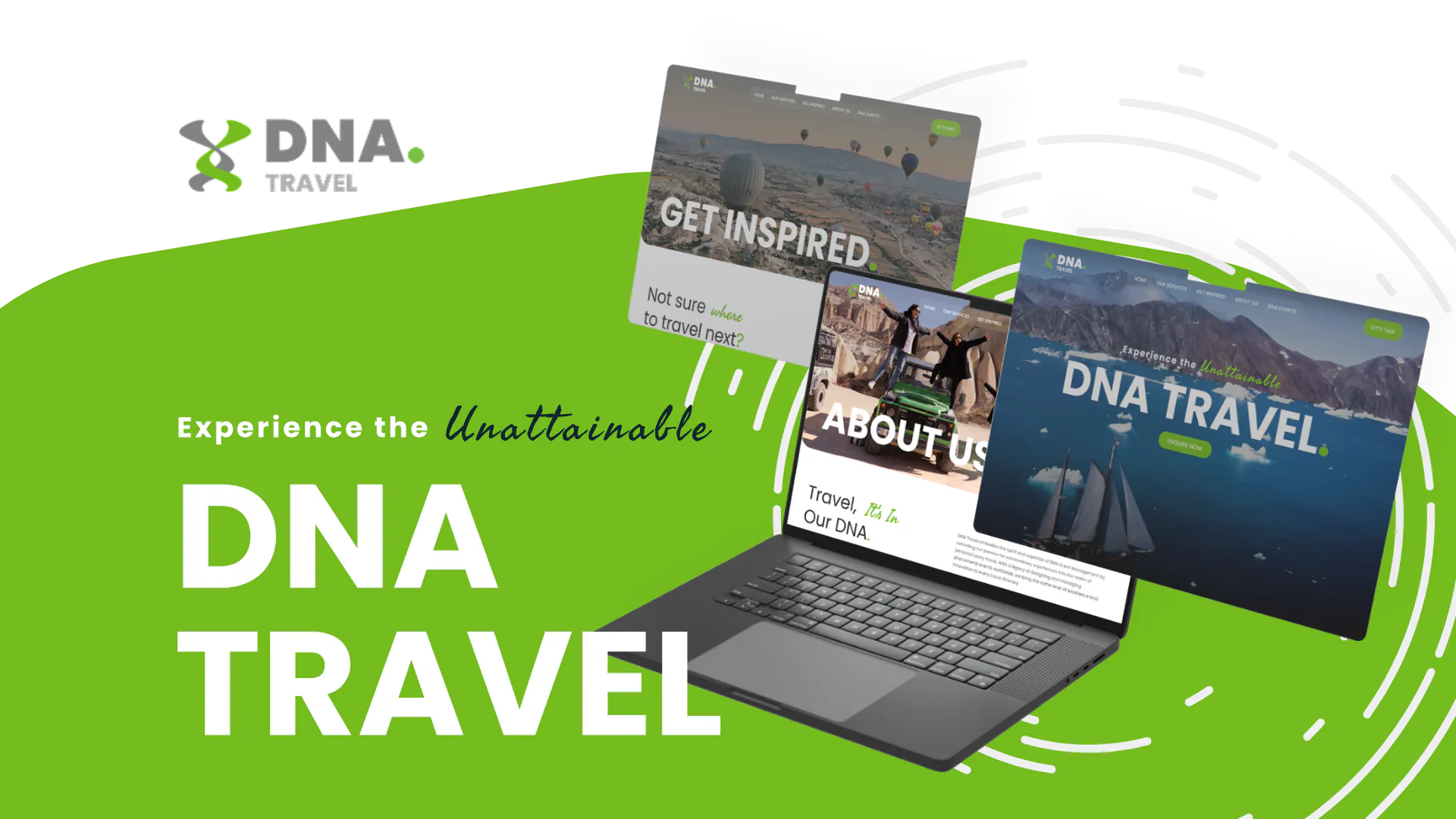
A sample of websites and brands we've built for clients — each project links to the full case study.
Apply To Work
With Us
We only take on a limited number of new clients each month. Fill out the short form below and we'll let you know if you're a good fit — no pressure, no obligation.

Questions answered
WordPress + Elementor is our default for most local service businesses — flexible, easy to edit, and strong for SEO. Webflow fits design-first teams that want less plugin overhead. Shopify when product pages and content marketing should share one storefront platform.
Yes — see WordPress Development, Elementor Development, Webflow Development, and Shopify Development for full platform builds. For Figma design handoff, see Figma to platform above.
Most CMS builds go live in 2–3 weeks after kickoff, depending on page count and how quickly you provide photos and service details.
That is the point. We lock structure into templates and limit what editors can change so content updates stay on-brand.
Yes — we can migrate key pages and blog posts as part of scope. Large migrations are scoped separately so nothing breaks on launch day.