
Most local SEO guides frame the timeline as a waiting game: do the work, then expect results in 6 to 12 months. That timeline comes from following generic advice in the wrong order. Small service businesses that complete the right four phases in sequence see measurable lead increases within 90 days, and clear ROI within six months when the work integrates Answer Engine Optimization alongside standard local SEO.
This guide covers that sequence.
What Local SEO Actually Achieves and Who's It For
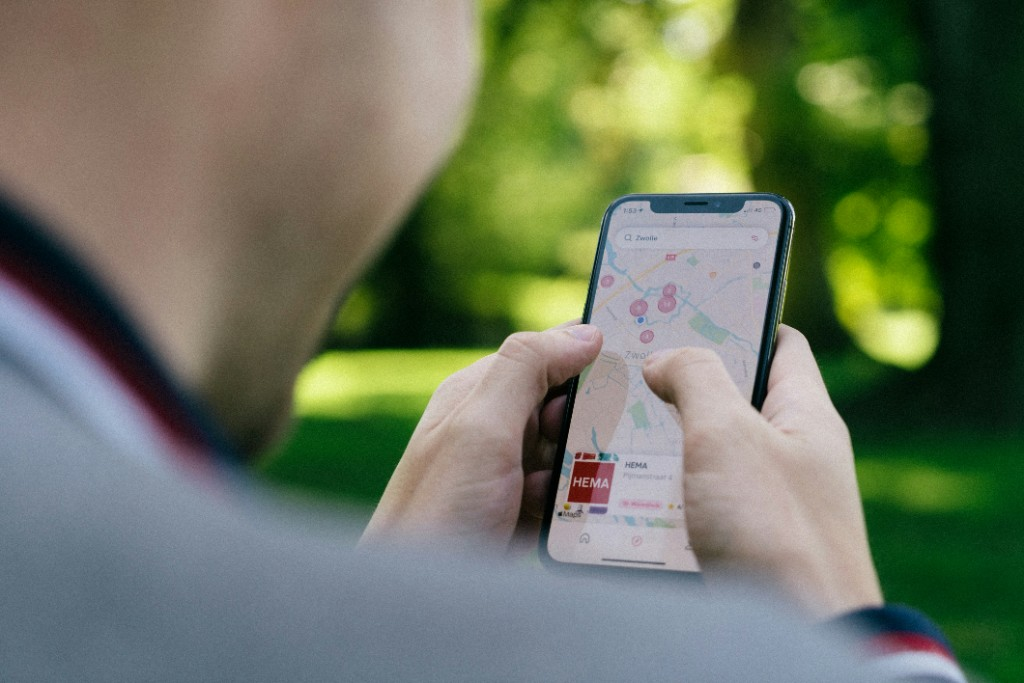
Local SEO is the practice of optimizing your online presence so that search engines show your business when people search for services you offer in the area you serve. For a small service business, this means appearing in Google's local pack (the map and three listings that show at the top of search results) and in Google Maps results when someone searches "[your service] near me."
The core deliverable is not general website traffic. It is phone calls, direction requests, and booking clicks from customers who are actively looking for what you do, right now, in your service area. This is different from general SEO, which targets any user anywhere. Local SEO adds a proximity dimension: Google factors in how close your business is to the searcher.
This article covers the foundational setup that produces leads in 90 days. If your Google Business Profile is complete and accurate, if your NAP (name, address, phone number) is consistent across the web, and if you have a basic optimized website, the mechanics are in place to start capturing local search traffic.
The Four Phases of Local SEO for Small Businesses
The work divides into four sequential phases. Each phase builds on the previous one, and skipping a phase creates problems in later phases.
- Phase 1: Google Business Profile foundational setup. This is the single most important piece of local SEO. If your GBP is incomplete or incorrect, nothing else matters.
- Phase 2: Website local optimization. Your website must reinforce what your GBP says. Google cross-references the two.
- Phase 3: Citation building and cleanup. These are business listings on third-party directories that reinforce your NAP consistency.
- Phase 4: Review acquisition and monitoring. Reviews are a top-three local ranking factor. Without them, you compete at a disadvantage.
Phase 1: Google Business Profile Setup
Your Google Business Profile is the foundation of every local SEO effort. Google pulls information directly from it to populate the local pack, Google Maps, and knowledge panel. If any of this is wrong or incomplete, your visibility suffers.
Business name
Use your exact legal business name, exactly as it appears on your USPS address. Do not include keywords, locations, or phone numbers in the business name field. Google explicitly forbids this and may suppress or suspend businesses that do it. If your legal name is "Mike's Plumbing," your business name field should say exactly that.
Address and service area
Use a real physical address. PO boxes, virtual offices, and mail-receiving services do not qualify and will trigger verification problems. Your address determines your map pin location, which directly affects your visibility for nearby searches. If you serve multiple cities, set your primary location at your base of operations and use the service-area configuration to show that you serve surrounding cities. Do not create separate listings for each city.
Phone number
Use a local phone number with a area code that matches your service area. Do not use a toll-free number as your primary phone. You need a dedicated line that rings to someone who can answer during business hours. Vanity numbers that forward to a local line are acceptable, but the primary listing should show a direct local number.
Categories
Categories tell Google what you do. Select one primary category that describes your core business, then add up to nine secondary categories. Choose the most specific categories available. "Plumber" is too broad. "Plumbing" is better. "Emergency Plumbing Service" is better still. You cannot create custom categories. Choose from Google's pre-defined list.
Services and pricing
List every service you offer, with a price range where you can provide one. This helps Google's algorithm understand your full scope and can surface you for searches where price is a factor. Update this quarterly at minimum.
Photos
Google prioritizes businesses with regular photo updates. Upload exterior photos (so customers can find you), interior photos (to build trust), team photos (to put a face to the name), and before/after shots for service work. Update photos monthly. Businesses with photos receive more clicks and direction requests.
Hours
Set your regular hours accurately. If your hours change for holidays, update them in advance. Google penalizes businesses that show incorrect hours.
Q&A
Populate the Questions & Answers section proactively. Common questions like "Do you offer free estimates?" or "Are you licensed and insured?" should already have answers. Invite customers to ask questions and answer every one within 48 hours.
Phase 2: Website Local Optimization
Your website must reinforce your Google Business Profile. Google cross-references the two to verify consistency. If they conflict, both suffer.
NAP consistency
Your name, address, and phone number must appear identically on your website and on your GBP. This means the same formatting, the same abbreviations, the same suite number (if any). Even small differences ("Street" vs. "St." or missing "Suite") trigger inconsistency flags.
Location pages
If you serve a single city, one location page is sufficient. If you serve multiple cities across a region, create one dedicated page per city. Each page should include the city name in the H1 heading, in the page title, and in the first 100 words of body content. Do not duplicate the same page and simply swap out the city name; each page needs original content.
On-page elements
Your primary keyword and location should appear in:
- The H1 heading (once per page)
- The title tag
- Meta description
- First 100 words of the page body
- Alt text on images
Schema markup
Add LocalBusiness schema to your location page. Include:
- businessName
- address
- geoCoordinates (latitude and longitude)
- openingHours
- telephone
- priceRange
- url
Use JSON-LD format. Schema helps Google understand your business details without parsing visible content.
Footer link
Link your Google Business Profile from your website footer on every page. This reinforces the GBP-to-website relationship.
Phase 3: Citation Building and Cleanup
Citations are business listings on third-party websites (directories, apps, search engines) that include your NAP. Google uses these to verify your business information.
Priority platforms
Focus on platforms that Google explicitly trusts:
- Apple Maps
- Yelp
- Bing Places
- Industry-specific directories (for example, homeadvisor for contractors, WeddingWire for photographers)
Do not try to build hundreds of citations. Focus on the platforms that matter most.
NAP accuracy
Your NAP must match your GBP exactly. Every character must be identical, including abbreviations, suite numbers, and punctuation. Search your business name to find existing citations, then fix any inconsistencies before building new ones.
Cleanup before building
Search your business name in quotes on Google to find existing citations. Fix every inconsistent listing before creating new ones. Inconsistent NAP is the most common local ranking killer.
Phase 4: Review Acquisition and Monitoring
Reviews are a top-three local ranking factor in Google's algorithm, behind proximity and GBP completeness. They also directly influence click-through rate.
Requesting reviews
Ask every satisfied customer for a review. Send the request within your follow-up email or text after the job is complete. Include a direct link to your review form. Do not redirect through a intermediary page.
Responding to reviews
Respond to every review, positive and negative, within 24 to 48 hours. Thank customers for positive reviews. Address negative reviews with specific solutions and a willingness to make things right. This public response shows prospective customers how you handle problems.
Monitoring
Check weekly:
- Your local pack ranking for key terms
- Google Business Profile insights (clicks, direction requests, calls)
- Review velocity (new reviews per month)
Track these in a simple spreadsheet. If your review velocity stalls, revisit your review-request process.
Verification Checkpoints
After completing these phases, verify that everything is working:
- GBP is 100% complete. Every field is filled.
- NAP is consistent everywhere. Search your business name and verify the results.
- You appear in the local pack for "[your service] near me" searches.
- You have at least one new review per month.
Where Local SEO Goes Wrong
These are the mistakes that keep small businesses from getting results:
- GBP category stuffing. The primary category is what matters most. Adding irrelevant categories hurts more than it helps.
- Keyword-stuffed business names. Adding keywords to your business name triggers suppression, not visibility.
- Fake addresses or service areas. Google validates addresses and removes fake listings.
- Ignoring reviews. Review velocity is one of the strongest local signals. No reviews means competing at a disadvantage.
- Inconsistent NAP. Even small differences ("Ave" vs. "Avenue") trigger inconsistency flags.
The Outcome
If your four phases are complete and verified:
- Expect visibility in the local pack within 30 to 60 days.
- Expect an increase in leads within 90 days, provided your fundamentals are in place.
- Track ROI within 6 months by tracking calls, direction requests, and booking clicks attributed to your GBP through its insights panel or through unique promo codes.
The timeline depends on your starting point. Businesses with no GBP or a poorly optimized GBP see the biggest jumps from foundation work. Businesses that already have solid fundamentals see incremental gains from review acquisition and citation cleanup.